

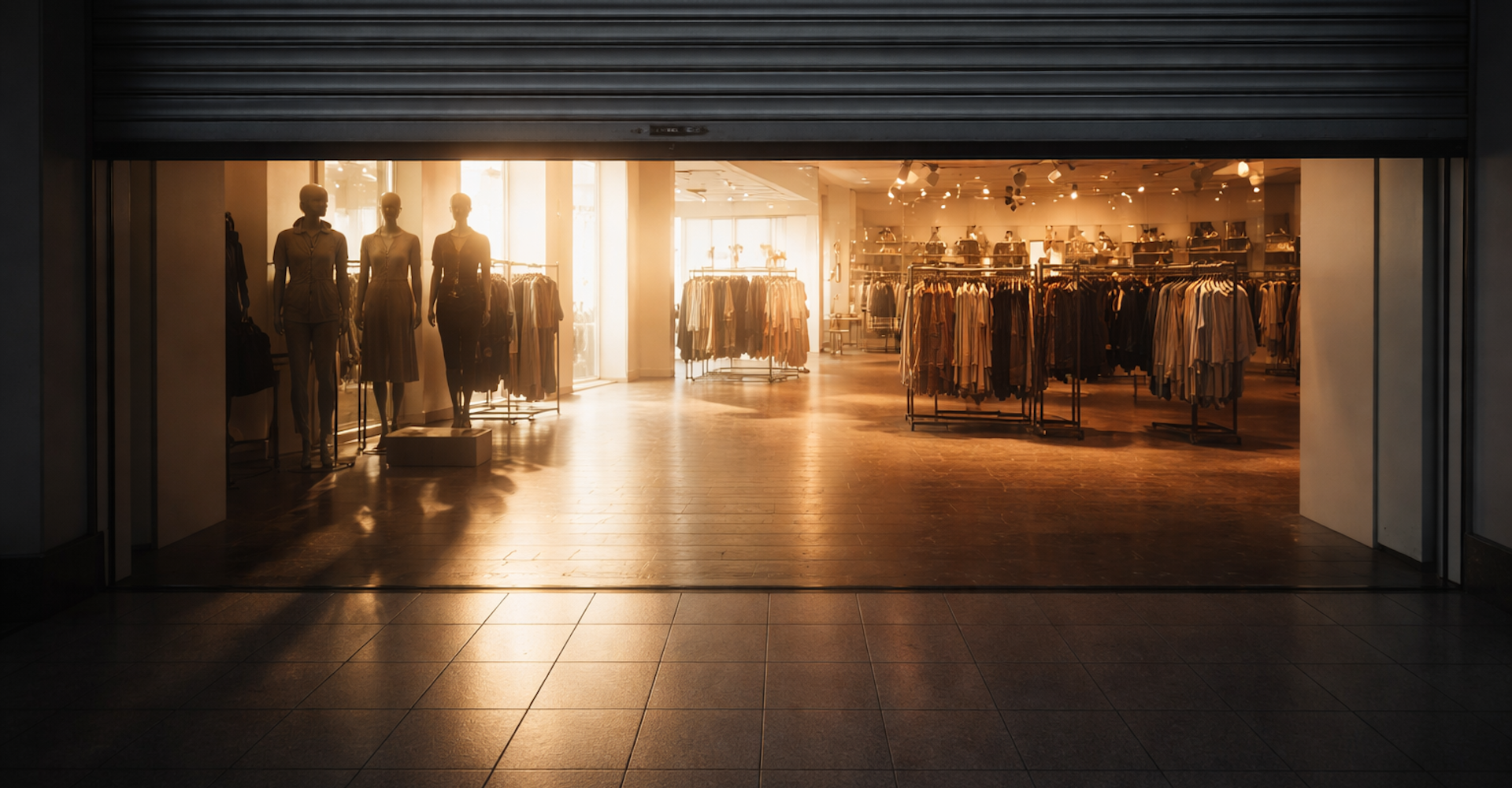
In retail, the first 15 minutes of the day quietly decide how the next 10 hours will feel.
I’ve seen stores open with energy, clarity, and calm and I’ve seen stores open already stressed, confused, and reactive. The difference was rarely staffing or targets. It was whether leaders used the pre-opening moment intentionally.
Why Most Pre-Opening Huddles Don’t Work
Many stores do huddles because they’re told to.
What they end up doing is:
- Reading numbers
- Repeating targets
- Issuing instructions
- Talking at the team
The result? People listen politely, but walk onto the floor unchanged.
A good huddle doesn’t motivate theatrically. It aligns practically.
What I Learned Watching Good Stores Open Well
In stores that consistently handled pressure better – especially in fashion during peak footfall – the pre-opening huddle was never long, loud, or dramatic.
It was:
- Short
- Predictable
- Calm
- Focused on the day, not the month
Most importantly, it was led, not rushed through.
What a Strong 15-Minute Huddle Actually Covers
Over time, a simple structure proved far more effective than long briefings:
1. Today’s Reality (2–3 minutes)
What kind of day is expected?
- High footfall?
- Returns-heavy?
- New stock drop?
This sets expectations without creating anxiety.
2. Role Clarity (3–4 minutes)
- Who is leading which zone?
- Who supports billing?
- Who handles escalations?
When roles are clear early, chaos reduces later.
3. One Behaviour Focus (3 minutes)
Not five reminders. Just one.
For example:
- Calm tone during fitting-room pressure
- No billing shortcuts during rush
- Escalate early, not late
Behavioural clarity matters more than targets.
4. Leader Presence Signal (2 minutes)
This is subtle but powerful.
Letting the team know:
- Where leadership will be
- Who they can call on
- That support is visible
Confidence rises when people know they won’t be left alone.
5. A Human Close (1–2 minutes)
Not a slogan. Just acknowledgment.
Sometimes it’s:
- “Yesterday was tough. Today we reset.”
- “Let’s look out for each other today.”
That’s enough.
Why This Matters More Than We Think
I’ve seen the same teams perform very differently depending on how the day began.
When huddles were rushed or skipped:
- Small issues escalated
- Supervisors reacted instead of led
- Associates carried uncertainty onto the floor
When huddles were consistent:
- Decision-making improved
- Stress reduced
- Accountability became shared
The work didn’t get easier. People got steadier.
The Ascend View: Huddles Build Leadership Muscle
Pre-opening huddles aren’t about communication. They’re about leadership conditioning.
They teach:
- Clarity under pressure
- Predictability in chaos
- Calm before action
Over time, they create leaders who don’t wait for instructions, they anticipate the day.
A Simple Reflection for Leaders
Before opening your store tomorrow, ask yourself:
Are my people walking onto the floor guessing or prepared?
Because in retail, leadership doesn’t start when the doors open. It starts in the quiet moments just before.