


Almost every retail leader has faced this moment.
A salesperson consistently delivers. Customers trust them. Numbers speak in their favour.
When a store leadership role opens up, the choice feels natural, almost inevitable. Promote the star seller. It’s rarely a careless decision. It’s a hopeful one. And yet, it is one of the most common ways retail unintentionally sets people up to struggle.
When Performance Gets Mistaken for Readiness
Selling excellence is visible. Leadership readiness is not.
Over the years, I’ve seen and experienced strong individual performers promoted with genuine belief that they would “grow into the role.” Many worked hard, stayed late, and tried to carry the store on their own shoulders.
What quietly surfaced was something different:
- Difficulty giving feedback to former peers
- Discomfort handling conflict
- Over-dependence on personal selling instead of team leadership
- Frustration when others didn’t match their pace
They were still good sellers. They just weren’t prepared leaders.
The issue was never intent or commitment. It was misalignment.
Why This Hits Retail Harder Than Most Industries
Retail leadership is relentless. There are no buffers. No slow cycles. No room to “figure it out later.”
A store manager has to balance:
- People emotions
- Customer expectations
- Process discipline
- Commercial pressure
When someone enters this role without preparation, the pressure doesn’t teach them – it overwhelms them. And in many cases, the organisation notices the problem only after:
- Team morale dips
- SOPs soften
- Dependence on one or two individuals increases
At that point, reversing the decision becomes emotionally and operationally difficult.
What I Learned Watching This Repeat
One insight became impossible to ignore: Excellence in a role does not automatically signal readiness for the next one.
Leadership is not a reward for performance. It is a different profession altogether.
When promotions are used primarily as recognition, people end up:
- Losing what they were good at.
- Struggling with what they weren’t trained for.
- Carrying quiet self-doubt.
That’s not growth. That’s pressure disguised as progress.
A Healthier Way to Think About Promotions
The shift begins when organisations separate two ideas:
- Valuing contribution
- Assigning leadership responsibility
Not everyone who excels needs to move “up.” Some need to grow deeper.
In environments where this thinking matured, a few things changed:
- Potential leaders were given exposure before authority
- Behaviour under pressure was observed, not assumed
- People were allowed to choose leadership, not be pushed into it
Promotions slowed. Success rates improved.
The Ascend Lens on Leadership Readiness
A belief that has guided me over time: Leadership should never be a surprise assignment.
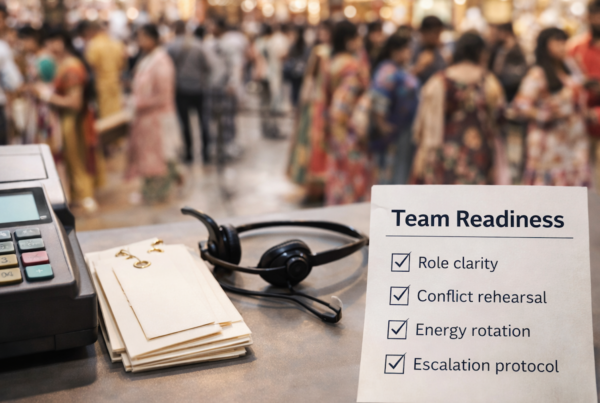
Readiness shows itself early:
- How someone handles disagreement
- How they support weaker colleagues
- Whether they uphold standards when it’s inconvenient
- Whether peers respect them when no one is watching
These signals matter more than numbers on a board.
A Thought Worth Sitting With
Before promoting your next star performer, pause and ask: If this person stopped selling tomorrow, would they still add value?
If the answer isn’t clear, the role might be wrong – right now.
Retail grows strongest not when stars are promoted quickly, but when leaders are developed patiently.