

Retail has always been demanding. Fast-moving. High-pressure. Unforgiving of mistakes.
What has changed over the years is scale – not just in store count, but in complexity, expectations, and pace. What hasn’t changed enough is how deliberately we grow people alongside that scale. And that gap quietly becomes retail’s biggest bottleneck.
Growth Looks Healthy – Until You Look Closely
I’ve led businesses where expansion was ambitious and momentum was strong. The focus was clear: reach more markets, serve more customers, build the retail footprint. What was less visible, but deeply felt, was the pressure this placed on people.
The same leaders were repeatedly leaned on. Some same managers were asked to stretch further. Some same teams were expected to “step up” – often without the support systems to do so sustainably. They didn’t complain. Retail teams rarely do.
But slowly, something began to shift:
- Energy dipped
- Focus scattered
- Decision-making weakened
- Leaders started surviving days instead of shaping them
The business was growing. The people were coping.
The Realisation That Changed the Conversation
At some point, it became clear that performance issues weren’t coming from lack of effort or intent. They were coming from how the system was built.
We were driving retail outcomes hard, but people development was assumed, not designed. That’s when the lens had to change.
Instead of asking why people were struggling, we began asking:
- Are we equipping leaders to handle the pressure we are putting on them?
- Are we building depth, or depending on a few strong individuals?
- Are our people systems supporting the retail model or lagging behind it?
These weren’t easy questions. But they were necessary ones.
What Changed When People Became Central
When we began reworking how people were developed – alongside how retail was operated – the impact wasn’t immediate, but it was real.
Clarity improved. Leadership conversations became more honest. Managers started regaining control instead of firefighting. Teams felt steadier, even when business pressure remained high.
The biggest shift wasn’t in metrics – it was in confidence.
People weren’t just executing retail anymore. They were beginning to own it.
A Contrast That Became Impossible to Ignore
Later, working closely with Indian retail environments, the pattern felt familiar – but amplified.
The ambition is strong. The opportunity is massive. But in many cases, people planning still trails business planning.
Acceptance takes time. Change takes patience.
Yet the challenge is visible on the floor:
- Leaders stretched thin
- Promotions driven by urgency
- Capability assumed instead of assessed
This isn’t a failure of intent. It’s a reminder that retail evolution must be people-led, not just market-led.
The Ascend Thought at the Core
One belief has stayed constant through all of this:
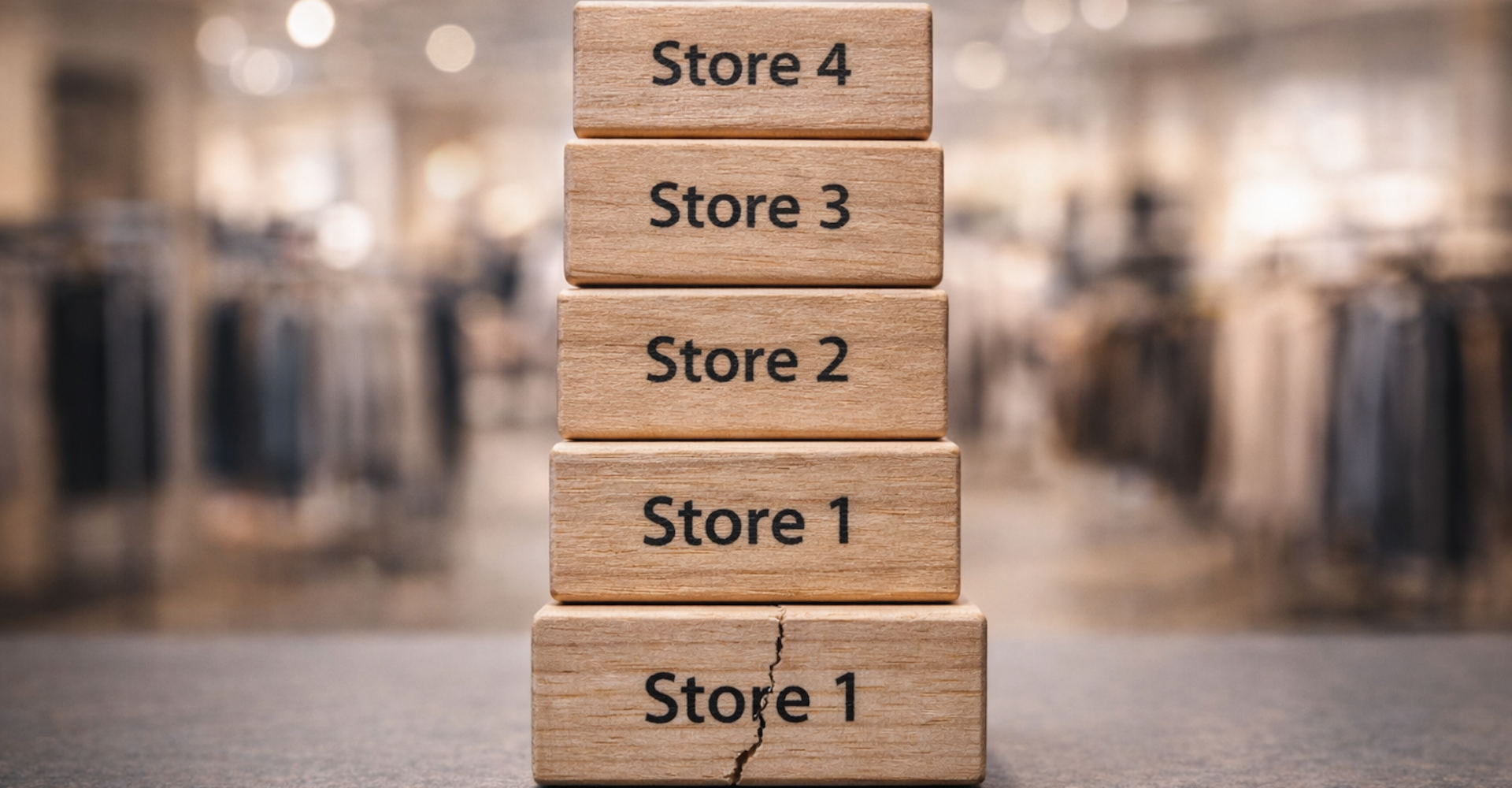
A retail system is only as strong as the leaders it quietly produces. Stores don’t struggle because people lack commitment. They struggle because commitment without structure eventually breaks.
True scale happens when:
- Leaders are grown, not consumed
- Development is planned, not accidental
- Growth strengthens people instead of draining them
A Gentle Question for Every Retail Leader
As expansion plans are discussed and numbers reviewed, it’s worth pausing to ask:
Are we growing faster or growing stronger?
Because in retail, sustainable success doesn’t come from how many stores you open. It comes from how well your people are prepared to carry what you build.