

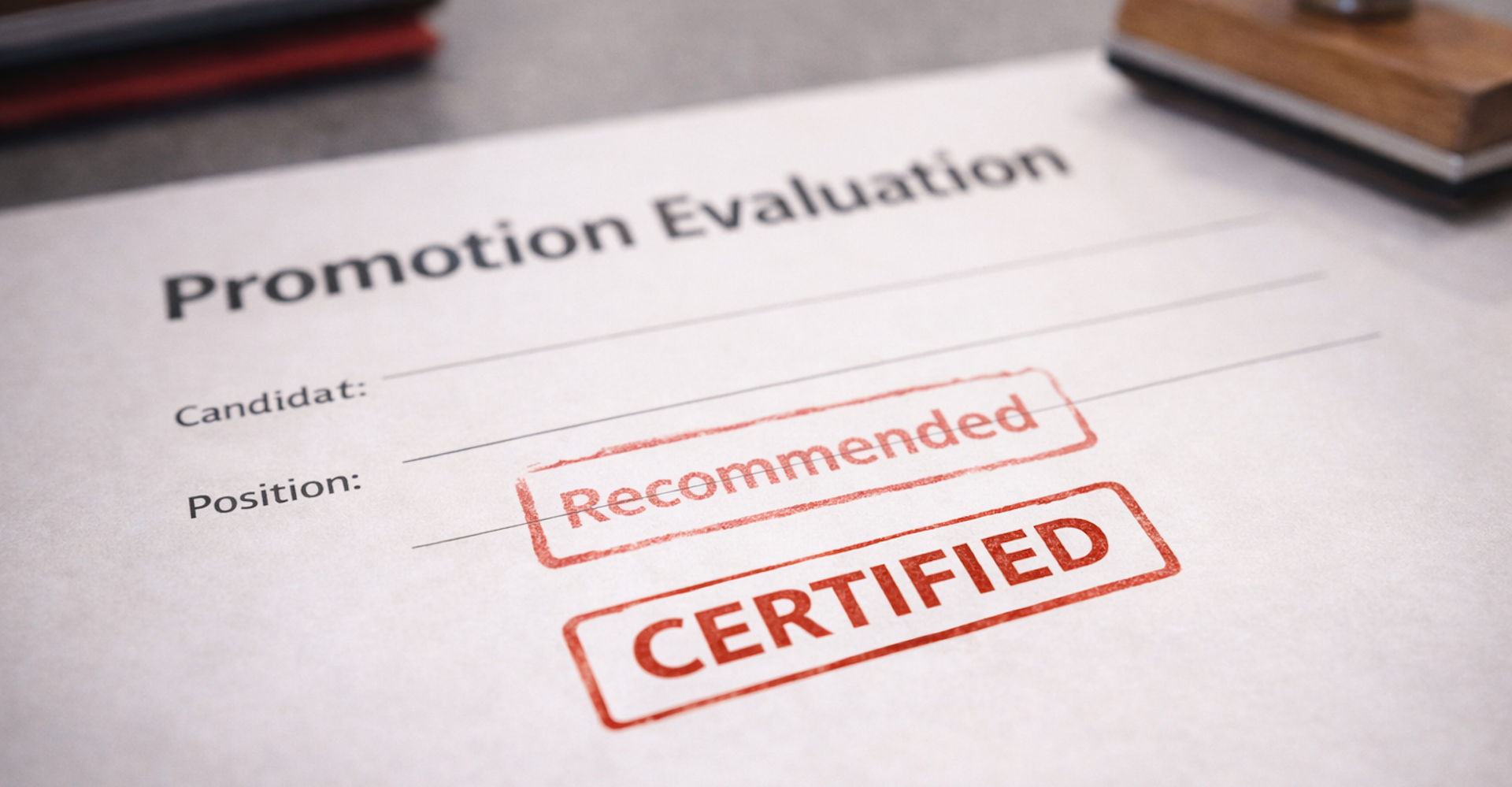
One of the most uncomfortable truths in retail leadership is this: Most promotion failures don’t happen because people aren’t capable. They happen because we certified readiness without enough distance.
Over the years, while leading retail businesses and later observing them closely, I’ve seen well-intentioned organisations make the same mistake repeatedly – allowing internal teams to both develop and validate their own people.
It feels efficient. It feels fair. But it quietly weakens leadership quality.
The Problem is Not Bias. It’s Proximity.
When leaders assess people, they work with daily, something subtle happens. Assessment slowly shifts from: “Is this person ready?” TO “Do I trust this person?”
Trust is important. But leadership readiness is not built on trust alone.
In retail environments, especially tight, high-pressure ones, proximity creates blind spots:
- Familiarity becomes comfort
- Loyalty softens judgement
- Past effort overshadows present capability
No one does this deliberately. It’s human.
What I’ve Seen When This Goes Wrong
I’ve managed teams where promotions were made with genuine belief in the individual – people who had “been there,” stood by the business, and delivered results when it mattered.
Yet once promoted, some struggled, not because they lacked intent, but because:
- People leadership demanded skills they were never tested for.
- Decision-making under ambiguity overwhelmed them.
- Authority changed relationships overnight.
When that happens, everyone loses:
- The individual feels exposed
- Teams feel uncertain
- Leadership hesitates to admit the mistake
The cost isn’t just performance. It’s confidence, on all sides.
Why Retail Suffers More Than Other Industries
Retail leadership failures surface quickly.
A weak store leader doesn’t fail quietly. They:
- Dilute SOPs to survive the day
- Avoid difficult conversations
- Lean excessively on a few strong individuals
- Create uneven customer experiences
And because retail runs daily, the impact compounds fast. When internal teams certify their own people without structured independence, the system becomes fragile – even if sales temporarily hold up.
What Changed When We Separated Roles
One of the most important shifts I’ve been part of was recognising this: Development and certification should never sit with the same people.
Internal leaders are best placed to:
- Coach
- Mentor
- Support growth
But readiness for leadership needs a neutral lens – one that can evaluate behaviour without emotional debt.
Once that separation was introduced, something interesting happened:
- Promotions slowed slightly
- But success rates improved dramatically
- Conversations became more honest
- People trusted outcomes more
The system became calmer – even when decisions were tough.
The Ascend Principle at Work
A belief that has stayed with me:
Development requires closeness. Certification requires distance.
Independent assessment isn’t about mistrust. It’s about protecting people from premature responsibility.
When done well:
- Leaders feel supported, not pushed
- Promotions gain credibility
- The organisation stops recycling the same mistakes
A Thought for Retail Leaders to Sit With
Before the next promotion decision, pause and ask: Are we certifying readiness or rewarding familiarity?Because in retail, promoting someone before they are ready doesn’t accelerate growth. It delays it and often damages people in the process. And people, once damaged, take time to recover.